Talks Between U.S. and China on Tariffs Inconsistent, China Says
U.S.-China trade war talks not in the works, Beijing declares
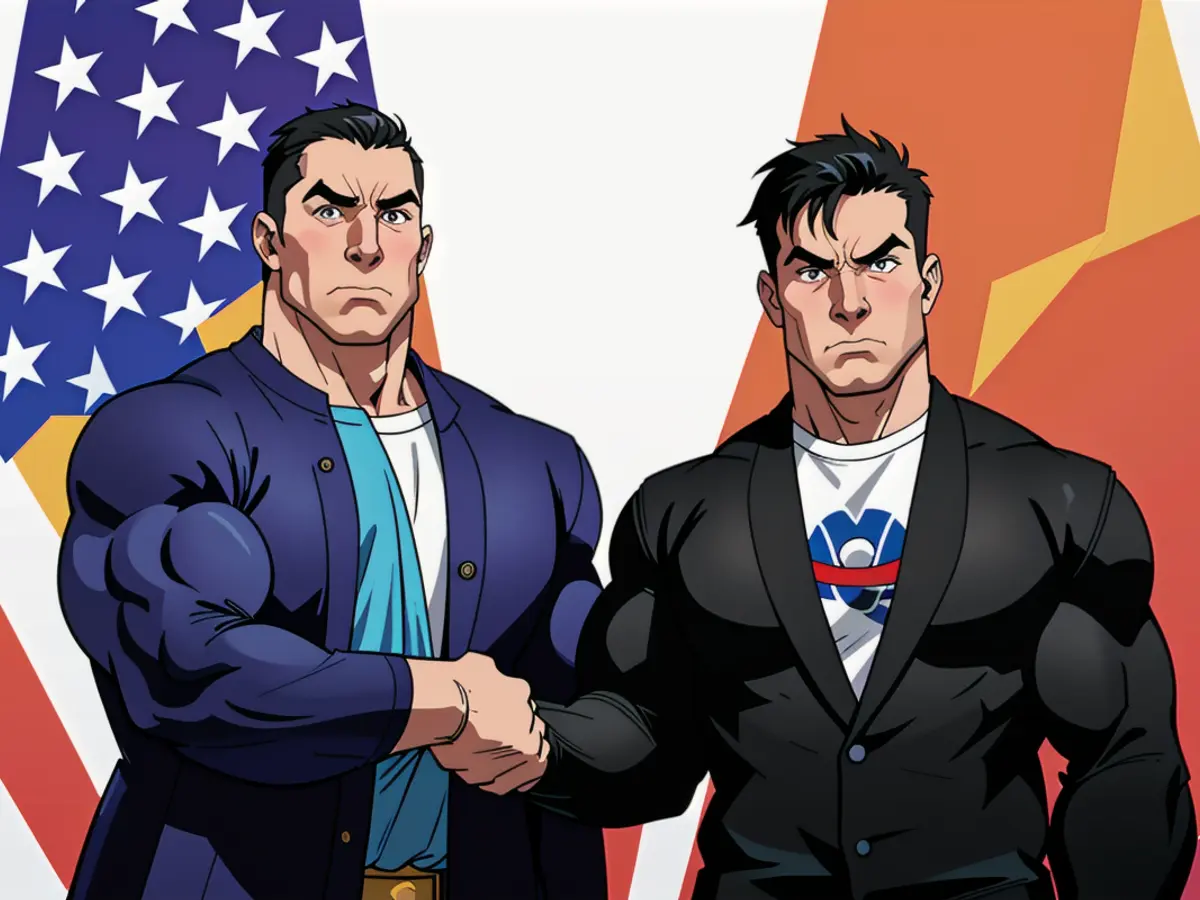
In stark disagreement with recent remarks from President Donald Trump regarding potential tariff cuts with China, Beijing has declared that negotiations concerning tariffs are not ongoing. In a statement made on Thursday, China's Ministry of Commerce emphasized that there's been no progress in tariff negotiations, describing claims about such progress as groundless[2][3].
In the Oval Office, Trump stated on Tuesday that the current tariff level of 145% imposed on China's imports would see a significant decrease, but he stopped short of saying it would reach zero[1][3]. China, however, has made it clear that the elimination of tariffs must be the first step towards any meaningful discussions[2][3].
Ministry of Commerce spokesman He Yadong supported China's stance, stating that the unilateral tariffs implemented by the United States should be discontinued, and an open dialogue established to resolve disputes[2][3].
Despite this, Trump hinted at a potential reduction in tariffs during a meeting with China, though he remained tight-lipped regarding further details or the extent of any proposed diminution[1][3].
Meanwhile, White House press secretary Karoline Leavitt expressed confidence that a trade deal with China is in the works, stating that the administration is actively positioning itself to reach an agreement with China[4][5].
Sentiments from Beijing:
- Call for Mutual Respect: China firmly believes that any form of consultations and negotiations should be conducted on the basis of mutual respect and equality[2][3].
American Outlook:
- Optimism for a Deal: Despite the absence of formal negotiations, Trump has expressed optimism about a potential trade deal, indicating a willingness to reduce tariffs[1][3].
Moving forward, it appears that both nations remain open to the possibility of a compromise, with China emphasizing the need for mutual respect and the cancellation of unilateral tariffs before meaningful negotiations can take place.
[1] - Source: CNBC[2] - Source: Associated Press[3] - Source: Reuters[4] - Source: Fox Business[5] - Source: White House press briefings
- The economy and finance are at stake as China has called for mutual respect and the cancellation of unilateral tariffs, a crucial initial step towards meaningful negotiations, as stated by the General-News sources.
- The groundless claims of progress in tariff negotiations between the U.S. and China have been emphasized by China's Ministry of Commerce, according to Reuters reports.
- In contrast to the Ministry's stance, President Trump has teased potential tariff cuts during a meeting with China, but has yet to provide further details, as mentioned by CNBC.
- As the tariffs between the two nations impact multiple industries and investing, White House press secretary Karoline Leavitt expresses optimism for a trade deal in White House press briefings.
- The U.S. and China seem to remain open to compromise, with China expressing the need for mutual respect and the elimination of tariffs before negotiations can proceed, as per Associated Press news.
- Politics play a significant role in the tariff tensions between the two nations, with government representatives from both sides making statements in the general-news concerning the tariffs and potential trade deals.