
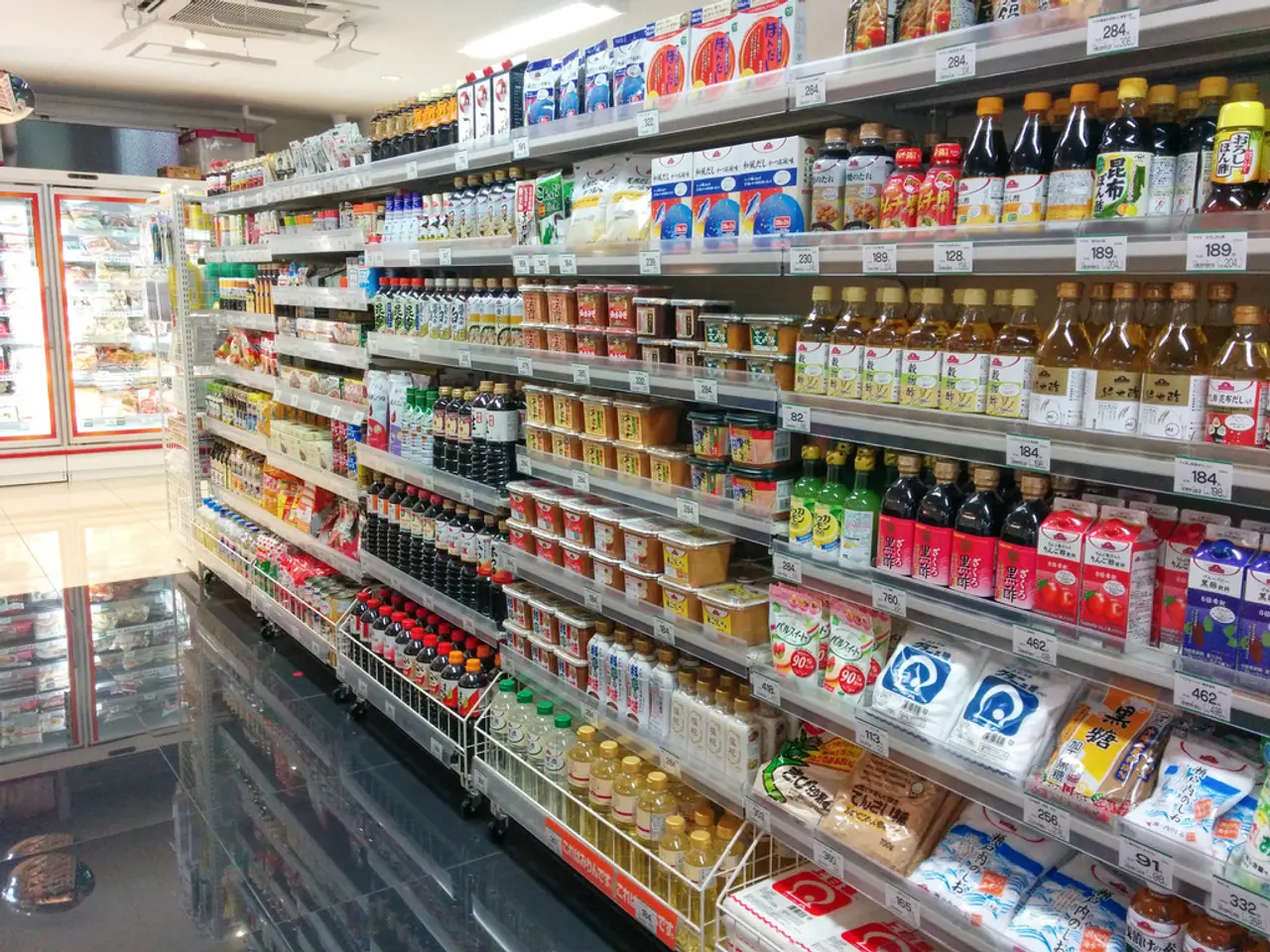
Struggling grocery industry forces closure of multiple store locations by prominent chain
In an effort to streamline operations and focus on profitable locations, major grocery chains such as Kroger and Homeland Acquisition Corp. are closing stores across the United States.
Homeland Acquisition Corp., headquartered in Oklahoma City, operates 80 grocery stores under several well-known banners, including Food World, Piggly Wiggly, United, CashSaver, and Homeland. The company's largest banner and largest locally owned grocery store chain in Oklahoma, Homeland, has 36 locations across the state. However, the company has announced the closure of four locations under the Homeland, United Supermarkets, and Discount Foods banners in Oklahoma, with one additional closing in Gordon, Georgia. The stores are slated to close by Aug. 16.
Kroger, another grocery giant, also plans to close 60 stores in the next 18 months, affecting locations in 12 states. This decision comes after the company's recent setbacks, which include a failed merger with Albertsons blocked by regulators, a leadership shakeup with the CEO's resignation, and labor unrest with union negotiations.
The blocked merger has led Kroger and Albertsons to resume store closures. Kroger's first-quarter 2025 earnings report announced the company's plan to close 60 stores over the coming year. A combined Kroger and Albertsons entity would make a more formidable competitor to companies like Walmart, Costco, and Amazon.
Several factors compound the competitive challenges these grocery chains face:
- Economic pressures: Rising food prices and operational costs have reduced profitability at many stores.
- Labor issues: Threats of strikes and union negotiations have unsettled operations, increasing costs and lowering workforce morale.
- Market dynamics: The grocery sector is highly competitive, requiring constant innovation and efficiency. Chains struggle to differentiate beyond offering low prices, often needing to reinvent their business models to attract customers.
- Legal and regulatory hurdles: The failed merger, along with related lawsuits from Albertsons accusing Kroger of obstructing the deal, illustrates challenges in expanding or optimizing retail footprints via consolidation.
- Changing customer behaviors: Shoppers may be moving toward alternative retail formats, including online grocery, specialty stores, or discount chains, pressuring traditional supermarkets to adapt or consolidate.
Despite these pressures, both Kroger and Homeland Acquisition Corp. are recalibrating their store footprints to focus on profitable locations and reinvent customer experiences, aiming for sustainable growth.
In a related development, Curtis Sliwa, a New York City mayoral candidate, has expressed concerns about government subsidized grocery stores potentially driving up prices and demand.
References:
[1] The Oklahoman. (2025, Feb. 22). Homeland to close four stores in Oklahoma. Retrieved from https://newsok.com/homeland-to-close-four-stores-in-oklahoma/article/6013058
[2] Supermarket News. (2025, Feb. 22). Kroger to close 60 stores in next 18 months. Retrieved from https://www.supermarketnews.com/retail-details/kroger-to-close-60-stores-in-next-18-months
[3] Reuters. (2025, Feb. 22). Kroger to close 60 stores amid failed Albertsons merger, labor unrest. Retrieved from https://www.reuters.com/business/retail-consumer/kroger-to-close-60-stores-amid-failed-albertsons-merger-labor-unrest-2025-02-22/
[4] CFRA Research. (2025, Feb. 22). Grocery store closures: Unprofitability, failed mergers, and labor challenges. Retrieved from https://www.cfraresearch.com/research/grocery-store-closures-unprofitability-failed-mergers-and-labor-challenges
- The closures of stores by both Kroger and Homeland Acquisition Corp, despite the competitive challenges they face, are part of a strategy to focus on profitable locations and reinvent customer experiences, aiming for sustainable growth in the finance and retail industry.
- The economic pressures, such as rising food prices and operational costs, along with labor issues and changing customer behaviors, have led to unprofitability in the grocery sector, forcing companies to close stores and adapt their business models.
- The closure of stores by these major grocery chains may impact the local economy, as these businesses are closely intertwined with various industries, including finance, markets, and the industry, potentially leading to job loss and reduced revenue.




