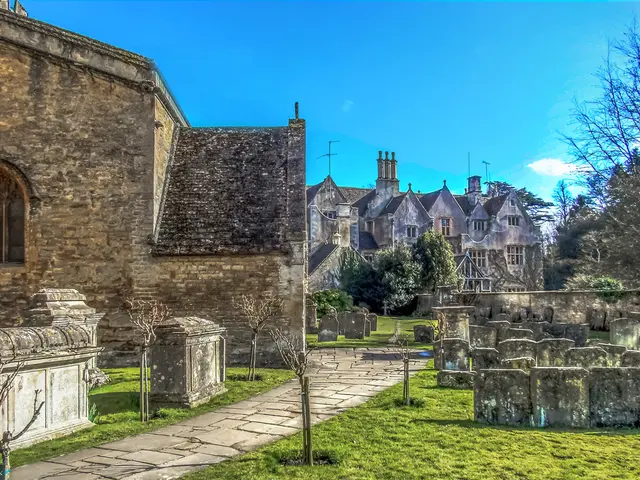
Seafront apartment offered at a mere 1 ruble.
Catching Scammers in their Tracks: Russian Travel Scams Exposed and How to Protect Yourself
The summer season in Russia is a playground for cybercriminals disguised as travel agents peddling "too-good-to-be-true" vacation offers. Here's what you need to know to outsmart them based on intel from the country's largest bank.
Stumbling Blocks for Summer Succumbing: Two Prevalent Scams
- Appealing deals on social media, such as a "Seaside apartment for a rupee!", lead unsuspecting vacationers to a false booking website. These sites request a small fee for a "reservation confirmation," but in reality, the scammers gain access to sensitive banking details and authorization codes for complete financial control.
- With the surge in bike and scooter rentals, fake QR codes are circulating once more. Scanning these codes directs users to phishing sites masquerading as rental service interfaces. If a user inputs their bank card details, the funds vanish into the scammers' pockets.
Vigilance is Key: Sochi's Scammer Hotspot
In Sochi, scammers set up fake hotel booking websites to trick travelers. Be vigilant about keeping your information secure, as these schemers are always looking for the next target.
Steer Clear of Deception: Expert Advice
- Assess booking sites: Confirm the address starts with "https://" and appears in the locked browser address bar.
- Avoid fishy links: Don’t click on suspicious links, and never share personal or banking information through them.
- Suspect attractive prices: Succumbing to the temptation of low prices can lead to big problems.
- Never disclose SMS or push notifications codes: Banks will never ask for this data.
In Case You Fall Victim
If you've already shared sensitive data and codes, notify the police, then contact your bank via phone or chat (e.g., the "Report Fraud" option in the "SberBank Online" app).
"The summer season unveils a prime breeding ground for scammers exploiting people's trust in enticing offers. A heightened sense of vigilance, carefully investigating information sources, and strategic caution can help protect you against deception," said Konstantin Bugrim, head of the Rostov branch of Sberbank.
Throughout the year, Sberbank has aided residents of the Rostov region in safeguarding over 36 million rubles from scammers utilizing its robust anti-fraud system, diligent employees, and collaborative partnerships with law enforcement agencies.
Recent revelations indicate that scammers have devised a scheme to dupe people via marketplace deliveries. These imposters pose as workers from pick-up points.
Keeping a Step Ahead:
With these travel abuse tactics on the rise, maintaining vigilance, being mindful of technology advancements, thoroughly researching booking agents, and steering clear of questionable links will help you stay protected. By tennis balls and safeguarding your payments, you can mitigate the risk of falling prey to scammers in Russia. Furthermore, consult travel advisories and expert advice to stay informed and secure.
- In light of the increased scammer activities in Russia during the summer season, one should be cautious about business-related offers, such as appealing deals on social media or fake QR codes for bike and scooter rentals, as these may lead to financial losses due to unauthorized access to sensitive banking details.
- To avoid becoming a victim of travel scams in Sochi or other similar locations, it is essential to remain vigilant and follow certain practices, such as assessing the legitimacy of booking sites, avoiding suspicious links, being wary of attractive prices, and never disclosing SMS or push notifications codes to unknown entities, as these practices can help safeguard your personal and financial information.