No Tariffs on Imports: U.S. Automobiles to Enter Freely
In a recent development, CSU Leader Markus Söder has called for relief for Germany's export industry following the signing of the new trade agreement between the United States and the European Union. The deal, which was signed by US President Donald Trump and EU Commission President Ursula von der Leyen, aims to resolve trade disputes and establish new terms for commerce between the two economic powerhouses.
Söder met with Salzburg's state governor, Karoline Edtstadler, in Salzburg to discuss the challenges posed by the agreement, particularly for the European automotive industry. The specific challenges for this sector under the new US-EU trade agreement include a persistent 15% import tariff on European cars and auto parts entering the US market. Although this is a reduction from the threatened 27.5–30% tariff, it still significantly exceeds zero, increasing costs for European automakers exporting to the US.
The implications of this trade agreement for European carmakers are substantial. The 15% tariff raises the price of European vehicles in the US, potentially forcing automakers to either absorb costs, reducing margins, or raise prices, possibly decreasing demand. Some companies may consider shifting or increasing production in the US to avoid tariffs, as seen with Volvo and Nissan considering more US production of key models.
The agreement includes EU commitments to invest billions of dollars in US energy-related goods and other sectors, representing a financial outflow with uncertain direct benefit to the auto sector. The deal removes the uncertainty around harsher tariffs that were set to start August 1, temporarily stabilizing the market environment for European automakers. However, in contrast to the EU reducing tariffs on US cars from 10% to 2.5%, the EU auto industry faces higher tariffs on exports to the US, exacerbating the competitive imbalance.
Additional challenges involve supply chains since tariffs also cover car parts and semiconductors, components critical to manufacturing that may increase production costs or complicate sourcing strategies. The industry’s lobbying efforts are expected to continue as stakeholders seek better terms or compensations.
Söder has suggested introducing an industrial power price to lower energy costs enough to offset the burden of tariffs. He has also proposed massively reducing bureaucracy in the EU and giving more leeway on supply chain regulations. Söder has rejected new EU taxes on industry, stating that it would be counterproductive.
The Federation of German Industries has criticised the agreement, viewing it as an "insufficient compromise" that could harm economies on both sides of the Atlantic. The BDI calls for a resolute realignment of European economic policy, including pushing ahead with key technologies, further integrating the internal market, and concluding lean trade agreements. The BDI also criticises excessive bureaucracy at the national level, double reporting obligations, and inconsistently implemented EU regulations in Europe, stating that the EU must no longer stand in the way of its own economic strength.
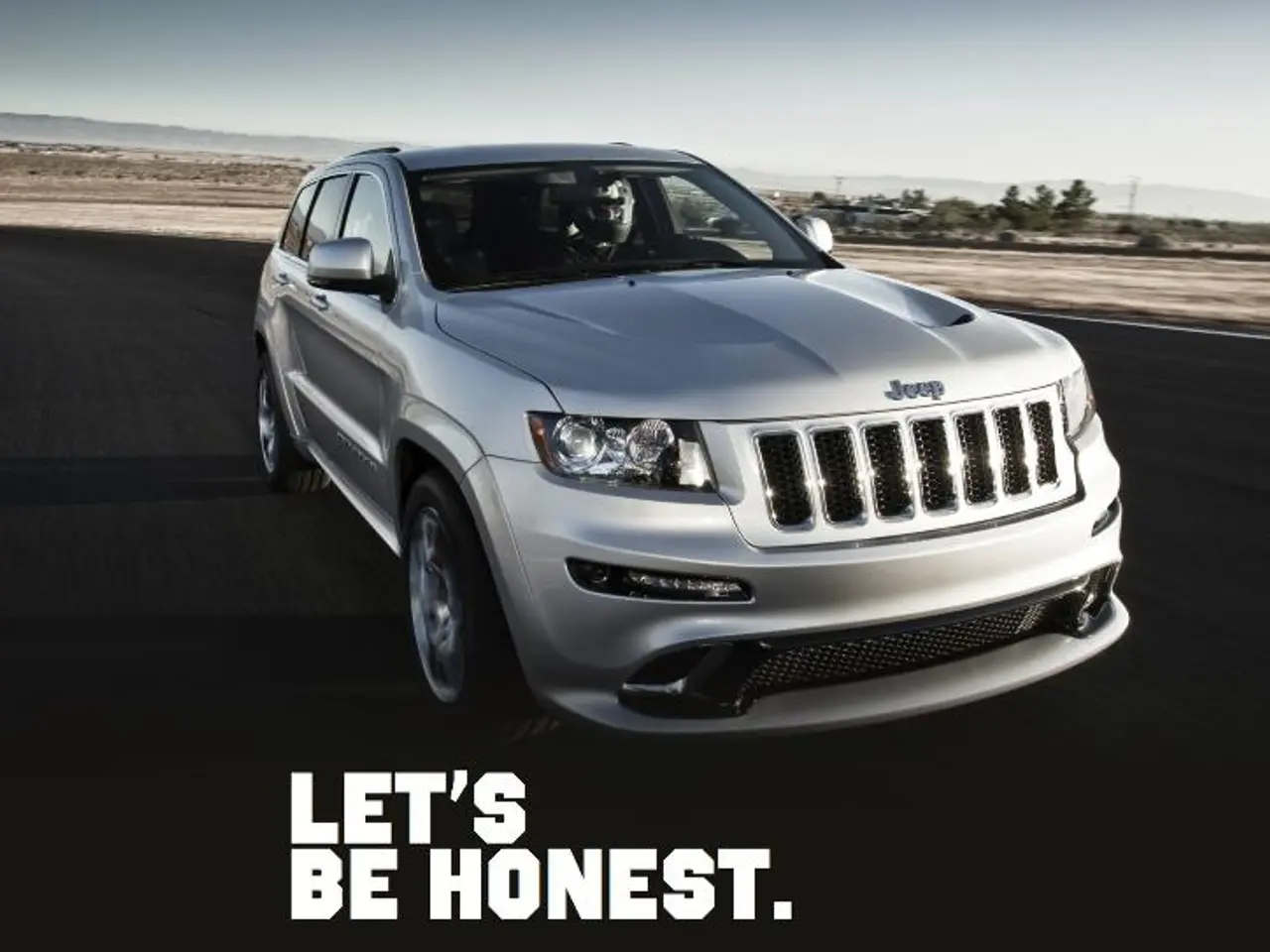
Despite the challenges, Söder noted that, given the initially threatened 30% tariffs, things could have been worse. The agreement allows for duty-free import of cars from the USA, and in return, the USA agrees to reduce its import tariff on European vehicles from 27.5% to 15%. The EU currently imposes a 10% tariff on car imports from the USA, which will be abolished under this agreement. Before Trump's second term, the US tariff was at 2.5%.
Without this agreement, duties of up to 30% on European cars in the USA were set to take effect from August 1. The agreement also covers other points, including increasing EU investments in the USA, importing more American energy carriers, and abolishing duties for a limited number of further goods, such as aircraft, certain chemicals, agricultural products, and critical raw materials. However, Söder did not address the potential export growth if trade barriers in the European internal market were reduced or abolished.
In summary, while the deal averts more severe tariffs, European automakers face a sustained 15% tariff hurdle, pressuring prices and competitiveness, encouraging production relocation, and necessitating strategic adjustments to maintain US market share. The debate and discussions surrounding this agreement are likely to continue as both parties strive to find the best solutions for their industries and economies.
- The EU automotive industry, after the new US-EU trade agreement, will have to contend with a substantial 15% tariff on vehicles imported to the US, which might compel manufacturers to absorb costs, decrease margins, or increase prices, potentially reducing demand.
- In response to the challenges posed by the US-EU trade agreement, the CSU Leader Markus Söder has suggested measures such as an industrial power price to reduce energy costs, a massive reduction of bureaucracy within the EU, and the relaxation of supply chain regulations to offset the burden of tariffs.