
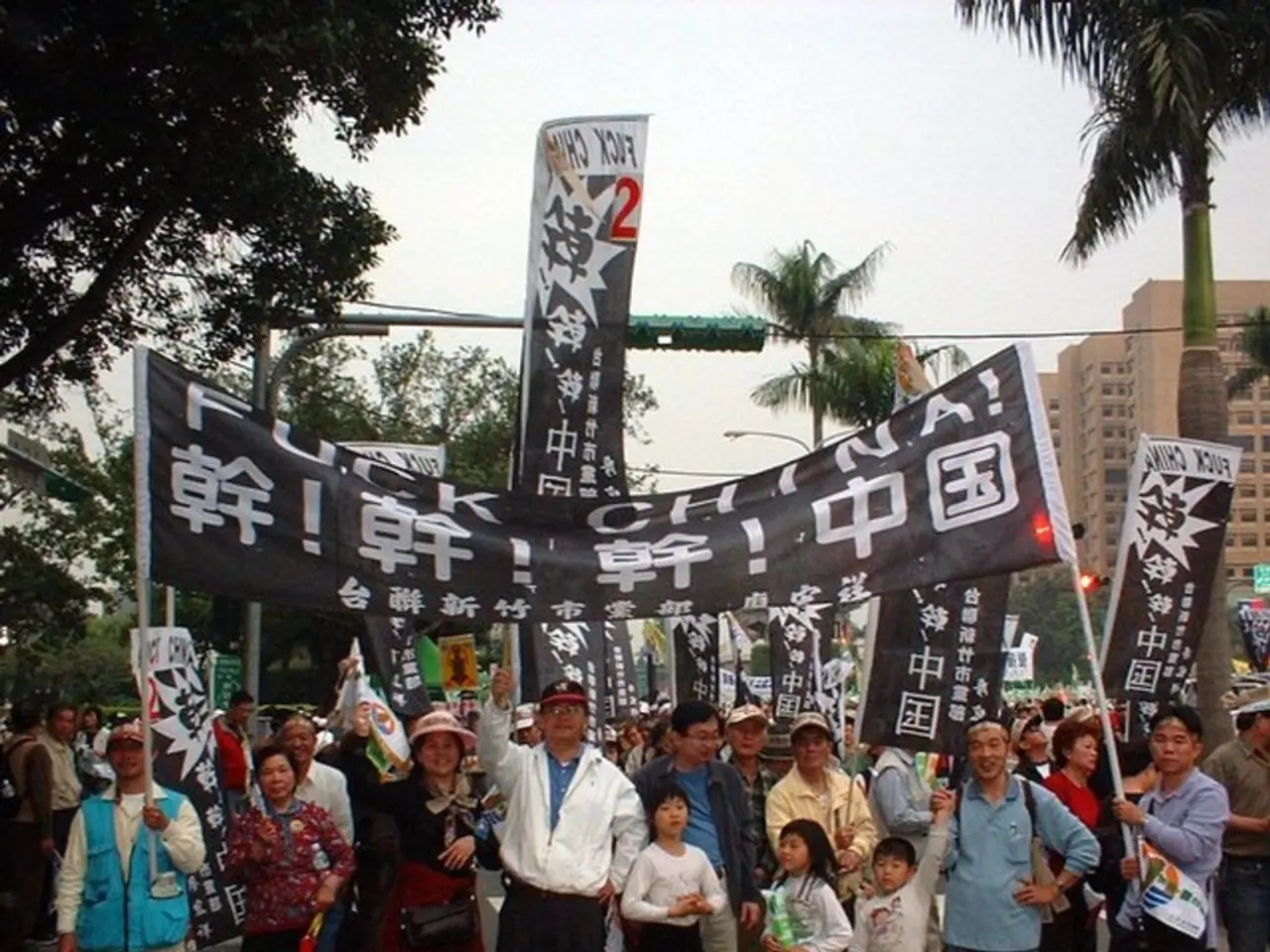
Examining the Impact of Boycotting Large Businesses: Worthwhile or Not?
In the world of business and politics, boycotts have proven to be a potent tool for driving change. When organised effectively, boycotts can pressure companies to reconsider their practices or policies, as demonstrated by several high-profile campaigns in recent years.
Qatar, the host of the 2022 World Cup, recently passed new labor laws aimed at improving the working conditions of its migrant workforce. The new laws include a maximum working week of 48 hours, a minimum wage of QAR 1,800, and the right for workers to quit without any underlying issues. These changes come after reports of over 6,500 migrant worker deaths during the construction of stadiums for the tournament [1].
Meanwhile, across the Mediterranean, major cities in France, such as Paris and Marseille, decided not to publicly broadcast the World Cup matches on giant screens in fan zones. This decision was made as part of a broader movement to address issues of discrimination and inclusivity [2].
In a different context, the Black Lives Matter (BLM) movement sparked a wave of consumer activism and boycotts against companies perceived to be inconsistent with racial justice and equity goals. One of the primary targets of these boycotts was Facebook, which faced criticism for allowing hate speech and misinformation to spread rapidly during the movement [3]. The boycott, which began in June 2020 following the murder of George Perry Floyd Jr., led to a significant drop in Facebook's share price by 8.3% [4].
Four days later, Facebook removed groups associated with the Boogaloo movement, a far-right anti-government group [5]. Despite Facebook's actions, the boycott continued, highlighting the sustained pressure placed on the company.
Another company that has faced criticism for its working conditions is the fast fashion brand Shein. Reports have revealed unsafe working conditions in Shein's factories, with workers often lacking basic safety protocols like windows and emergency exits [6]. The effectiveness of the boycott against Shein is yet to be fully assessed, but the general principle remains that a widespread and sustained boycott can influence corporate behaviour [1][2].
As the world continues to grapple with issues of social justice and equity, boycotts will likely remain a powerful tool for driving change. The success of these campaigns hinges on their ability to gain public attention, align consumers around a shared political or social identity, and cause reputational or financial harm [7].
References:
[1] Boycotts: A Tool for Change. (n.d.). Retrieved from https://www.forbes.com/sites/forbesagencycouncil/2019/08/20/boycotts-a-tool-for-change/?sh=7308f656714d
[2] The History of Boycotts. (n.d.). Retrieved from https://www.history.com/topics/black-history/boycotts
[3] Boycotting Facebook Over Racism: What You Need to Know. (2020, June 30). Retrieved from https://www.nytimes.com/2020/06/30/us/politics/boycott-facebook-racism.html
[4] The Target Boycott: A Case Study in Consumer Activism. (2023, March 15). Retrieved from https://www.forbes.com/sites/forbesagencycouncil/2023/03/15/the-target-boycott-a-case-study-in-consumer-activism/?sh=19c446a1610d
[5] Facebook Removes Groups Associated with the Boogaloo Movement. (2020, July 1). Retrieved from https://www.reuters.com/article/us-usa-facebook-boogaloo/facebook-removes-groups-associated-with-the-boogaloo-movement-idUSKBN24E24O
[6] Shein's Unsafe Working Conditions. (2022, March 1). Retrieved from https://www.theguardian.com/business/2022/mar/01/shein-unsafe-working-conditions-factories-china
[7] The Effectiveness of Boycotts. (n.d.). Retrieved from https://www.britannica.com/topic/boycott/The-effectiveness-of-boycotts
In the realm of business and politics, boycotts have demonstrated their potential in instigating change, as seen in efforts for better working conditions in Qatar and the boycott against Facebook due to concerns about racial justice. accompanied by a drop in its share price. Consequently, major cities in France also refrained from publicly broadcasting the World Cup matches. The operating conditions in fast fashion brand Shein have faced intense scrutiny, with reports of patently unsafe working conditions, and boycotts may potentially influence its practices as well. The success of boycotts is based on their ability to generate public attention, foster shared identities, and cause reputational or financial harm, making them influential tools for driving change in various contexts.




