
- China initiates building of colossal dam in Tibet
In a move that could have significant implications for the environment and international relations, China has initiated construction on a new mega dam in Tibet, specifically in Nyingchi. The dam, consisting of five power stations, is expected to generate an impressive 300 billion kilowatt-hours of electricity annually, making it the largest dam in the world upon completion.
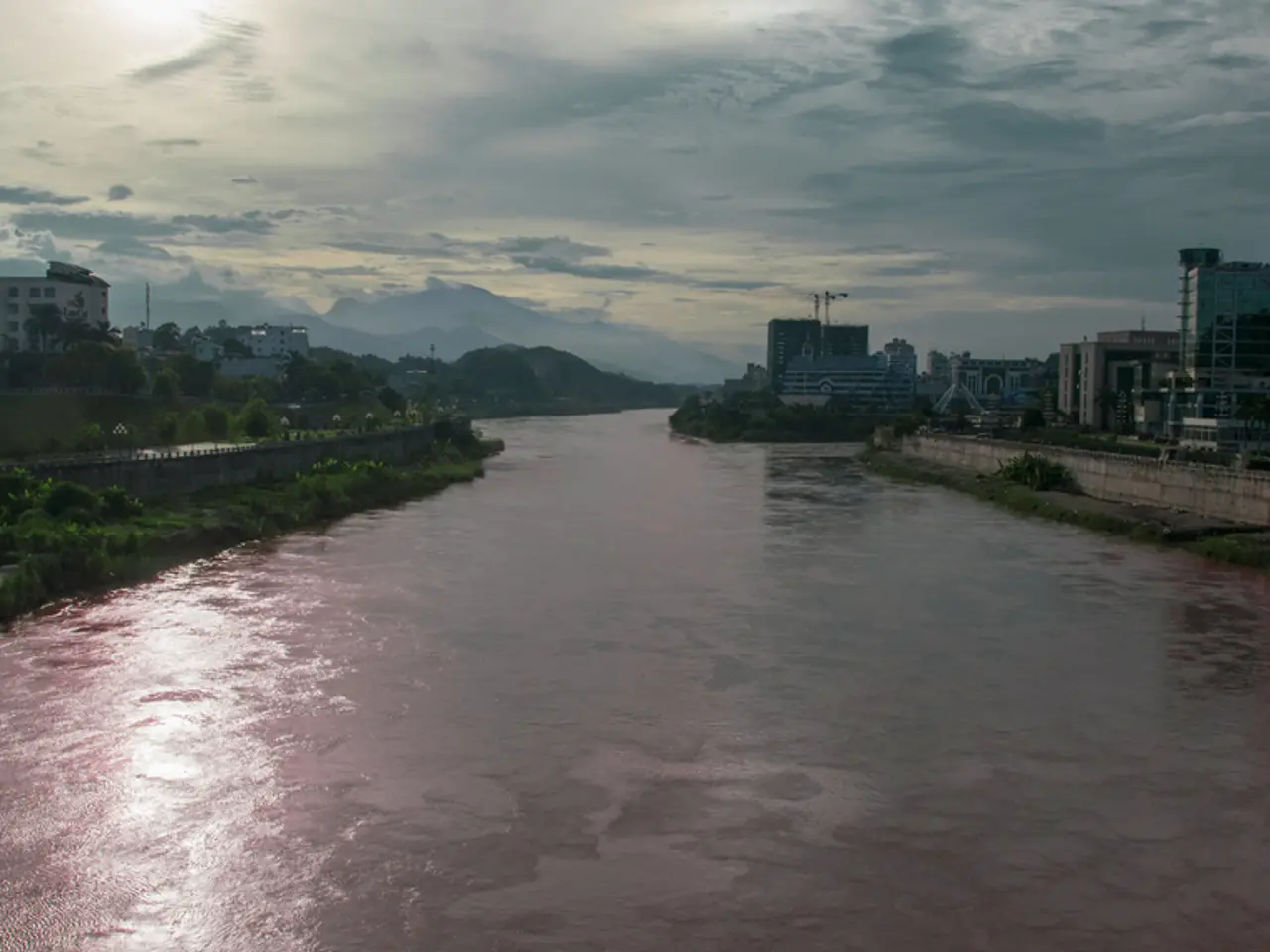
The dam is being built on the Yarlung Tsangpo River, a region of high biodiversity and a national nature reserve in China, making it vulnerable to large-scale infrastructure projects. The project has raised concerns about its potential impact on the local nature, with fears of irreversible environmental damage and disruptions to ecosystems.
The dam's location near a region that Beijing and New Delhi have long disputed, which China calls Zangnan and India calls Arunachal Pradesh, has the potential to exacerbate geopolitical tensions between the two countries. The dispute over the contested region has sparked a diplomatic freeze between China and India, the two most populous countries in the world.
India has raised concerns about the project's potential impact on its interests, while China has assured that there will be no adverse effects downstream. However, the dam may affect water flow and ecosystems in India and Bangladesh, as the Yarlung Tsangpo River flows into the Brahmaputra River, which runs through these countries.
China claims the project has been scientifically reviewed to ensure no negative impacts on downstream areas, agriculture, or biodiversity. The environmental concerns surrounding the dam's construction have been raised by various parties, including environmental groups and local communities.
The mega-project is part of China's broader strategy for hydropower development and achieving carbon neutrality targets. China aims to transmit power from this dam to other areas and generate energy for the region. The cost of the dam is estimated to be 1.2 trillion yuan (approximately 143.8 billion euros).
Beijing gave the final approval for the dam's construction in December 2021. However, in March, India urged China to ensure that the dam does not affect the activities of other affected states. The dam is seen as a contribution to China's goal of reaching the peak of carbon dioxide emissions by 2030 and achieving carbon neutrality by 2060.
The construction of the dam in Tibet raises complex issues of environmental conservation, geopolitical tensions, and international cooperation. As the project progresses, it will be crucial for all parties involved to address these concerns and work towards a sustainable and peaceful resolution.
- The ongoing debates about the dam's construction in Tibet involve not only concerns over the environment, but also discussions related to the scientific aspects of climate-change and renewable-energy.
- Despite China's claims of a scientific review to mitigate the dam's potential impacts on downstream areas, agricultural practices, and biodiversity, environmental groups and local communities have raised environmental concerns.
- In addition to its anticipated role in China's hydropower development and carbon neutrality goals, the mega dam may also pose financial risks if it encounters unnecessary delays or requires costly adjustments due to environmental or geopolitical issues.
- Given the dam's location in a region of high biodiversity and its potential for disrupting ecosystems, both industry and environmental science should collaborate to ensure sustainable development that minimizes impacts on the environment.




